Networked Video Poker Retention Mechanics: Examining Data Trends from Authorized Gaming Operators

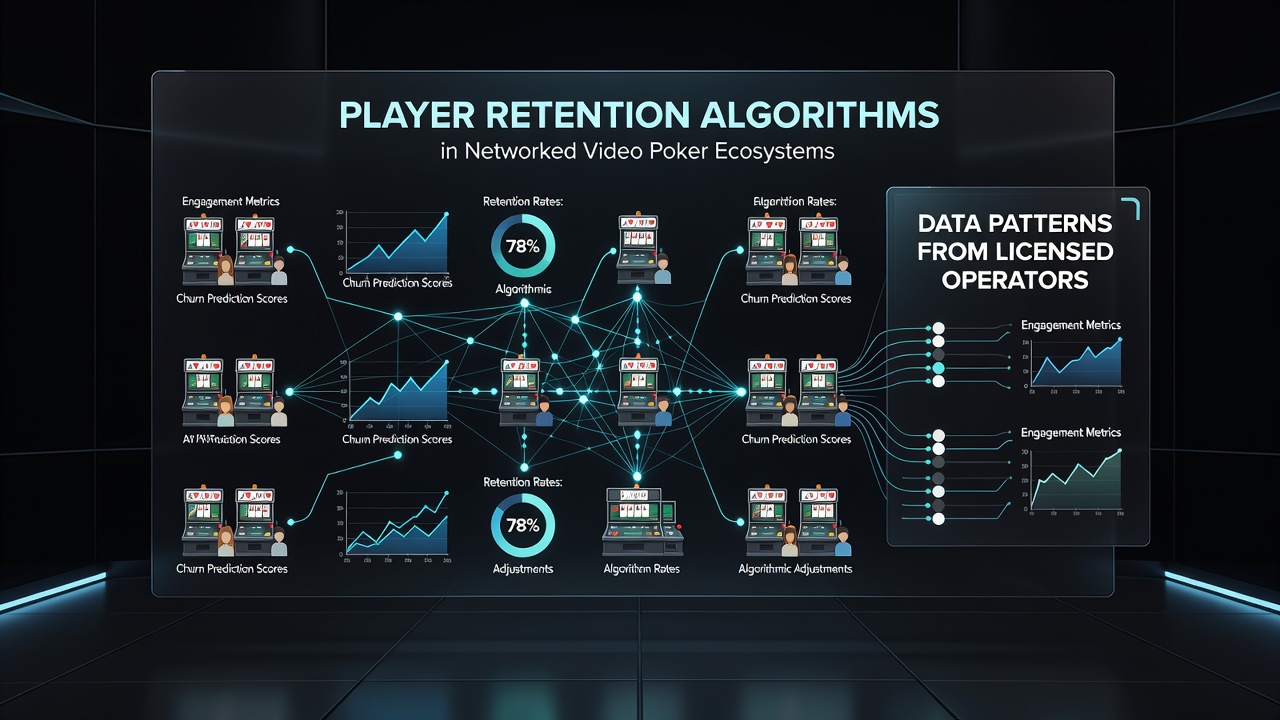
Player retention algorithms operate across interconnected video poker networks where licensed operators track session metrics, bet sizing sequences, and return-to-player adjustments in real time. These systems aggregate anonymized play data from multiple terminals and venues to identify patterns that correlate with continued engagement. Operators in regulated markets apply these models to adjust bonus triggers, progressive contributions, and personalized offers without altering core game mathematics.
Core Components of Retention Algorithms
Retention models typically combine three data layers: frequency of play, average wager velocity, and deviation from expected loss rates. When a player's session length drops below a threshold derived from historical cohort analysis, the algorithm activates targeted incentives such as free credit increments or reduced house-edge side bets. Licensed operators calibrate these thresholds using aggregated datasets that span thousands of hours across jurisdictions, ensuring compliance with local technical standards while maintaining network-wide consistency.
Networked environments allow operators to pool data across sites, revealing broader trends that single-venue analysis cannot capture. For instance, players who migrate between terminals in different cities often exhibit distinct retention curves compared with those who remain at one location. Algorithms flag these migration patterns and route offers through centralized loyalty platforms, timing messages to coincide with predicted return visits.
Data Patterns Observed Across Licensed Networks
Studies conducted on multi-state video poker deployments show that retention rates increase when algorithms prioritize micro-adjustments to progressive jackpot contributions rather than blanket bonus distributions. One analysis of networked systems found that players receiving algorithmically timed progressive boosts extended average session duration by measurable percentages while total wager volume remained stable. These adjustments rely on continuous monitoring of jackpot liability and player abandonment signals gathered from point-of-play terminals.
Seasonal fluctuations appear consistently in the datasets. Summer months register higher variance in play frequency, prompting algorithms to shift emphasis toward shorter, high-frequency reward cycles. In contrast, winter patterns lean toward longer sessions, allowing models to favor cumulative loyalty point multipliers. Operators update weighting factors quarterly to reflect these cycles, drawing from regulatory filings that require disclosure of algorithmic parameters affecting game fairness.
Regulatory Context and June 2026 Developments
Beginning in June 2026, several North American and European licensing bodies introduced updated reporting requirements for algorithmic transparency in networked gaming. These rules mandate submission of anonymized retention model parameters alongside standard financial audits, enabling oversight bodies to verify that player-protection thresholds remain intact. Licensed operators responded by embedding audit logs directly into their retention platforms, allowing real-time extraction of decision trees used for offer generation.
Cross-border data sharing agreements also expanded during this period. Operators holding licenses in multiple regions now synchronize certain retention variables under standardized formats, reducing discrepancies that previously arose when players moved between jurisdictions. This harmonization supports consistent application of responsible gaming limits while preserving the competitive advantages derived from sophisticated pattern recognition.
Implementation Examples from Authorized Providers
Take one operator managing a regional network of video poker terminals who integrated retention scoring into existing slot management software. The system evaluates each card draw sequence against a rolling baseline of expected outcomes, then applies graduated rewards only when deviation metrics exceed predefined bands. External audits confirmed that these interventions stayed within approved mathematical boundaries and did not modify the underlying random number generation.
Another case involved an interstate consortium that pooled de-identified play records to train machine-learning components of their retention engines. The resulting models identified clusters of players whose engagement dropped after specific loss thresholds, allowing preemptive delivery of session-break reminders paired with modest loyalty credits. Published summaries from the consortium indicated improved continuity rates across the network without increases in overall player spend.
Technical Integration and Measurement
Retention algorithms interface with central monitoring systems required by licensing authorities, feeding performance indicators into compliance dashboards. Metrics tracked include session completion ratios, offer redemption velocity, and subsequent play frequency following incentive delivery. These figures undergo periodic review by independent testing laboratories to confirm that algorithmic outputs align with disclosed game rules.
Operators also employ A/B testing frameworks within live networks, deploying variant retention strategies to segmented player groups while maintaining identical base game parameters. Results feed back into model refinement cycles, typically completed on monthly or quarterly schedules depending on regulatory filing deadlines. Such structured testing supports incremental improvements without risking non-compliance.
Conclusion
Networked video poker retention algorithms represent a convergence of data analytics, regulatory oversight, and operational practice across licensed environments. Patterns extracted from aggregated play records guide the timing and structure of player offers while remaining subject to transparency requirements that continue evolving through 2026. Authorized operators maintain these systems through documented processes that balance engagement objectives with mandated player safeguards, relying on verifiable metrics rather than anecdotal observation.