Mechanics of Random Number Generation in Networked Progressive Jackpot Systems
Elena Wagner · Aug 7, 2026
Mechanics of Random Number Generation in Networked Progressive Jackpot Systems
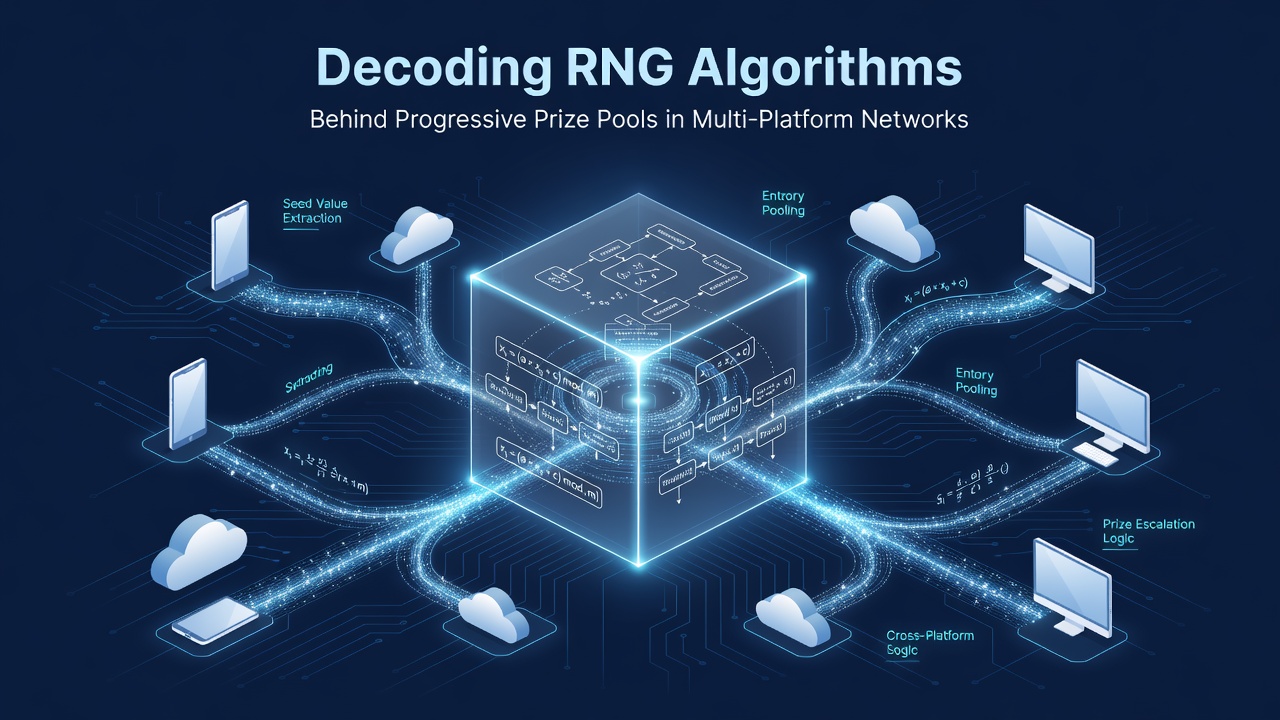
Progressive prize pools across multi-platform networks rely on coordinated random number generator systems that aggregate contributions from numerous operators while maintaining independent randomness at each terminal. These networks pool wagers from separate jurisdictions and software providers into shared jackpot amounts that grow until triggered by specific outcomes. Data from industry reports indicate that such systems handled over $2.8 billion in contributions during the first half of 2026 alone.
Core Components of RNG Implementation
Random number generators in these environments typically combine hardware entropy sources with deterministic algorithms to produce sequences that pass statistical testing suites established by testing laboratories. Observers note that multi-platform setups require synchronization protocols so that each participating site receives updated jackpot values without introducing predictable patterns into the draw process. And operators achieve this through timestamped seed updates that refresh at irregular intervals determined by network latency measurements.
Researchers at institutions such as the University of Nevada Reno Gaming Innovation Lab have documented how Mersenne Twister variants and more recent cryptographic generators like those based on AES-256 block ciphers serve as the backbone for many progressive systems. These algorithms generate billions of possible outcomes per second yet remain computationally efficient enough for real-time play across hundreds of connected machines. Figures from the lab's 2025 technical review reveal that certified RNG modules undergo at least 1 billion trial cycles before receiving regulatory approval in major markets.
Cross-Platform Pool Synchronization
Multi-platform networks face the added challenge of merging data streams from different regulatory regions while preserving fairness. Each platform contributes a percentage of every wager to the shared pool and receives verification signals confirming that its RNG calls align with the central controller. This process uses distributed ledger entries in some newer deployments to create immutable records of jackpot increments without exposing the underlying random sequences. A report issued by iGaming Ontario in early 2026 highlighted that synchronized progressive systems in their jurisdiction processed an average of 14,000 pool updates per minute during peak hours.
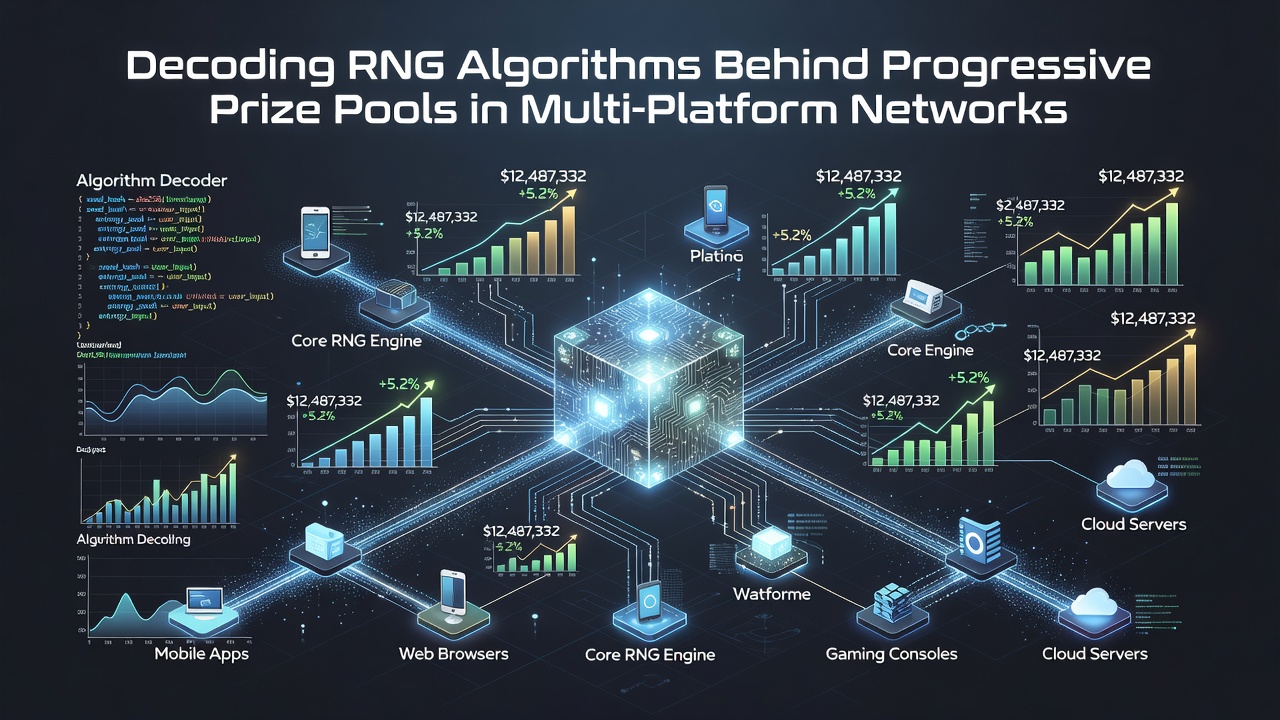
What's interesting here is how latency compensation algorithms prevent any single platform from gaining an advantage due to faster connections. These mechanisms buffer contributions and apply time-staggered calculations so that the prize pool reflects all eligible wagers up to a defined cutoff point. Experts at the European Gaming and Betting Association have observed that such buffering reduces discrepancies to less than 0.02 percent of total pool value across tested networks.
Security Measures and Certification Standards
Independent testing bodies evaluate RNG performance against standards that include chi-square distribution checks, serial correlation tests, and poker hand frequency analysis. Certification occurs on a recurring schedule with some jurisdictions requiring quarterly audits. And as of August 2026 several North American and Australian regulators began piloting continuous monitoring frameworks that stream anonymized RNG output to central oversight servers for ongoing verification rather than relying solely on periodic snapshots.
One study released by the Australian Communications and Media Authority examined progressive networks operating under their oversight and found that no certified system had produced detectable bias over a five-year monitoring period. Those findings align with similar data collected by the Nevada Gaming Control Board on linked jackpot installations spanning multiple casino groups.
Future Developments in Algorithm Design
Advances in quantum random number generation are beginning to influence next-generation progressive systems although widespread adoption remains limited by cost and infrastructure requirements. Several providers have announced partnerships with research facilities to integrate quantum entropy sources into their multi-platform architectures by late 2027. Meanwhile current cryptographic RNG implementations continue to meet all existing regulatory thresholds while supporting the scale demanded by global jackpot networks.
Conclusion
Progressive prize pools in multi-platform environments depend on tightly integrated RNG architectures that balance randomness, synchronization, and regulatory compliance. Data from multiple testing authorities confirm that properly certified systems maintain statistical integrity even as contribution volumes increase across borders. Continued refinement of both algorithmic methods and monitoring techniques supports the ongoing expansion of these networks without compromising outcome fairness.