Global Casino Trends: How Changing Tourist Seasons Shape Niche Game Offerings at Premier Destinations

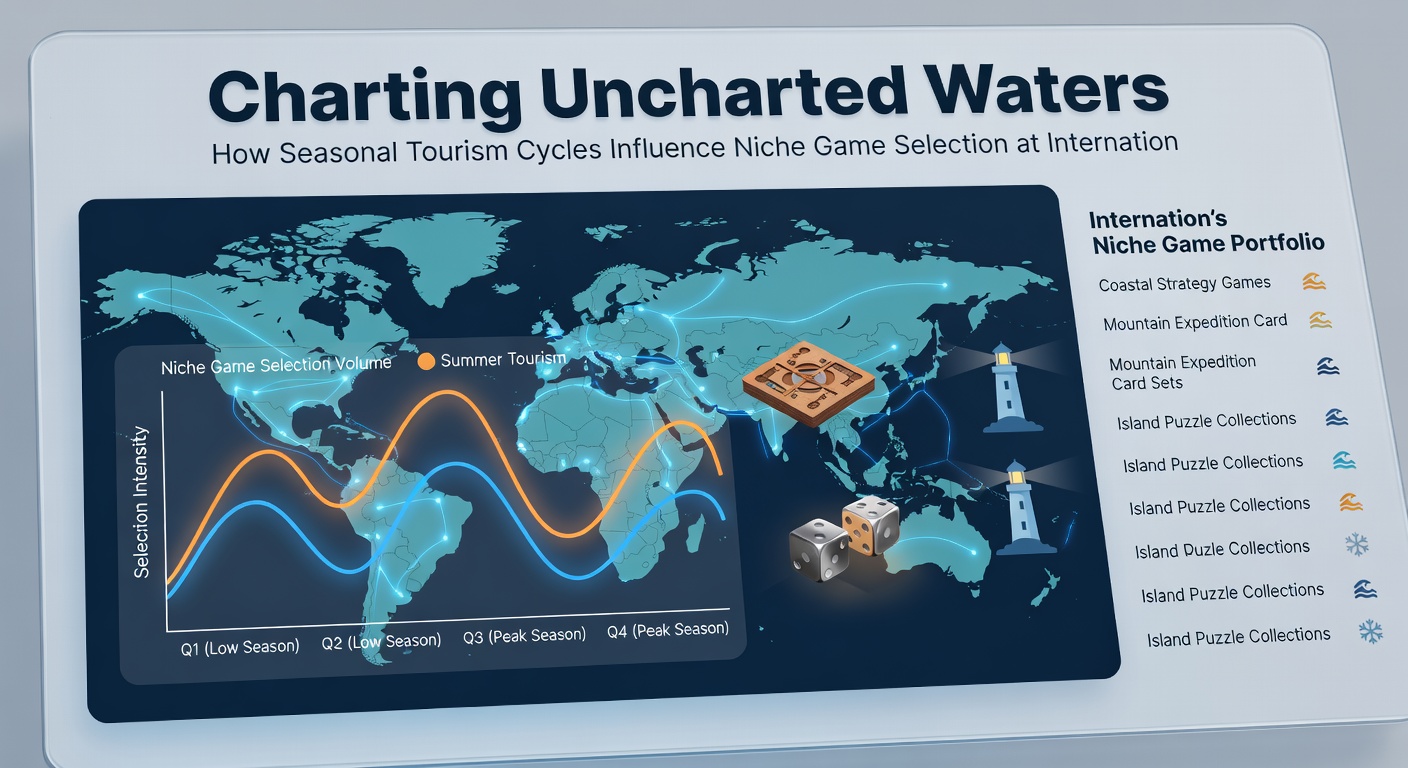
International gaming destinations experience distinct shifts in visitor demographics throughout the year, and these patterns directly affect which niche games operators emphasize on their floors. Data from tourism boards and gaming authorities show that summer influxes of leisure travelers often boost demand for faster-paced table games and slot variants, while winter months draw more experienced high-stakes players who favor strategic options like certain poker derivatives and baccarat side bets.
Understanding Seasonal Visitor Patterns
Resorts in Las Vegas, Macau, and Singapore report measurable changes in foot traffic tied to school holidays, major sporting events, and regional festivals. According to figures compiled by the Las Vegas Convention and Visitors Authority, peak summer months see families and casual groups accounting for nearly 35 percent more arrivals compared with shoulder seasons, which prompts casinos to expand offerings in electronic roulette and multi-hand blackjack. Observers note that these adjustments occur because leisure players typically prefer games with shorter rounds and visible entertainment value rather than prolonged strategic play.
Meanwhile, the shoulder periods between March and May attract business conferences and solo travelers who gravitate toward skill-based niches such as Texas Hold'em tournaments or Caribbean stud variants. Research from the University of Nevada's gaming studies program indicates that these visitors spend 22 percent more time at tables featuring progressive jackpots when promotions align with corporate event calendars. Operators respond by reallocating floor space and dealer schedules to match these preferences without disrupting core revenue streams.
Regional Examples Across Continents
Macau's integrated resorts illustrate similar dynamics on a larger scale. Winter tourism surges from mainland China coincide with increased play in baccarat and sic bo, games that feature communal betting elements appealing to group travelers. In contrast, summer months bring more international cruise passengers who explore electronic gaming machines and themed slot banks tied to popular entertainment franchises. Reports from the Macau Government Tourism Office track these cycles through monthly arrival statistics that gaming managers cross-reference with table occupancy data.
European destinations such as Monte Carlo and Baden-Baden display parallel trends linked to cultural seasons. Spring and autumn festivals draw visitors interested in roulette and chemin de fer, while summer yachting events increase requests for high-limit poker rooms. Industry associations like the European Casino Association compile anonymized data showing how these events influence game mix decisions months in advance.
Data-Driven Adjustments by Operators
Casino management teams rely on real-time analytics to fine-tune inventories. Sensors at table games record bet sizes and session lengths, while loyalty program records reveal player origin and repeat visit rates. When combined with external tourism forecasts, these metrics allow properties to predict which niche games will see heightened interest. For instance, Australian venues near the Gold Coast adjust craps and pai gow poker availability ahead of the December holiday influx from Asian markets, a strategy documented in annual reports from state gaming regulators.
What's notable is the role of technology in enabling rapid reconfiguration. Digital table systems let operators switch game variants within hours, responding to sudden weather-related extensions of tourist stays. In May 2026, several Singapore properties tested predictive models that integrated airline booking data with historical gaming patterns, resulting in temporary expansions of video poker banks during unexpected early-summer travel spikes.
Challenges and Operational Realities
Staff training presents ongoing considerations because dealers must master multiple niche variants to accommodate shifting demands. Properties often cross-train personnel during slower months so that summer surges can be met without service delays. Supply chain logistics for specialized equipment, such as custom dice sets or electronic card shoes, also follow seasonal calendars established by manufacturers who serve multiple international clients.
Regulatory frameworks in various jurisdictions require advance notification when game mixes change substantially, adding another layer to planning cycles. These rules ensure transparency while allowing operators flexibility to meet tourist preferences documented through visitor surveys.
Conclusion
Seasonal tourism cycles continue to guide how international gaming destinations prioritize niche game selections. By aligning offerings with documented visitor patterns, operators maintain engagement across diverse traveler groups while optimizing resource allocation. Ongoing data collection from tourism authorities and internal analytics supports these decisions year after year, creating a responsive environment where game availability evolves alongside global travel rhythms.