Examining Retention Rates in the Wake of Mandatory Spending Limits Across Regulated Online Gambling Sites
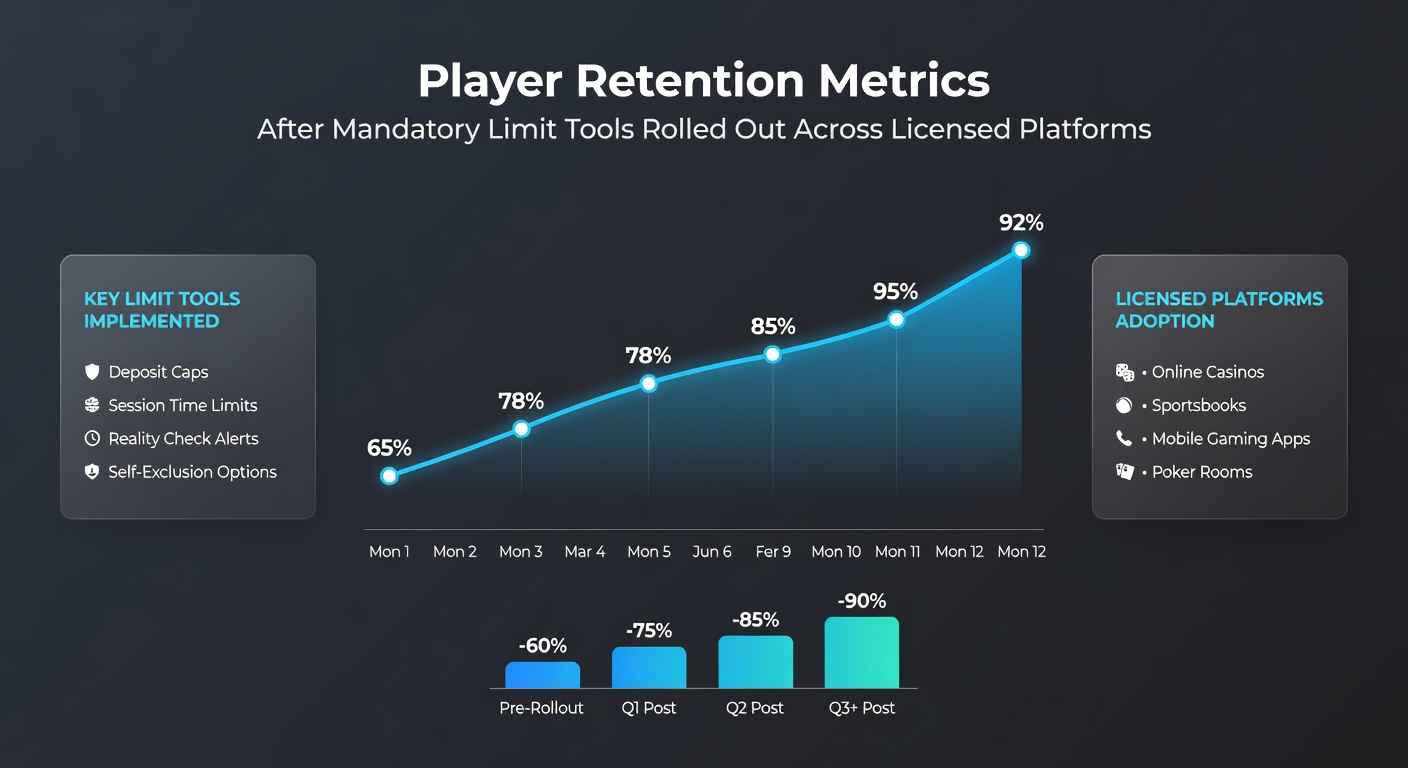
Regulated gaming platforms introduced mandatory limit tools in phases throughout 2025, and data collected through June 2026 shows measurable shifts in how players interact with these sites over extended periods. Operators tracked account activity before and after the tools became compulsory, focusing on metrics such as session frequency, deposit patterns, and overall account longevity.
Reports from multiple jurisdictions indicate that retention rates stabilized rather than declined sharply once players adapted to the new requirements. Those who've studied similar regulatory changes note that initial dips in activity often give way to steadier engagement as users incorporate limits into their routines.
Key Metrics Tracked Post-Implementation
Analysts examined several core indicators across thousands of accounts on platforms operating under updated licensing rules. Average monthly active users held steady in many markets, while the proportion of players setting voluntary limits beyond the mandatory minimum rose gradually. Data shows deposit frequency per account decreased by measurable amounts in the first quarter after rollout, yet total wagering volume per retained player remained consistent when measured over six-month windows.
Session duration metrics revealed shorter individual visits in some regions, offset by more consistent return rates among accounts that remained active. Observers note that players who engaged with limit-setting features early tended to maintain accounts longer than those who delayed interaction with the tools.
Regional Variations in Player Behavior
Patterns differed depending on the regulatory environment and player demographics. In markets with prior voluntary limit options already in place, the transition produced smaller disruptions to retention curves. Platforms serving players accustomed to stricter oversight reported faster stabilization of activity levels by early 2026.
One study from researchers at the University of Nevada, Las Vegas tracked cohorts across multiple operators and found that accounts with pre-set loss limits showed higher six-month survival rates compared with those without. The same research highlighted that younger player segments adjusted deposit habits more readily than older cohorts, though both groups demonstrated comparable overall retention once the tools integrated into standard account management.
Operator Adjustments and Platform Responses
Licensed sites responded by refining how they presented limit tools during onboarding and account reviews. Clearer explanations of how limits function, combined with reminders at set intervals, correlated with improved uptake rates. Several operators reported that simplified interfaces reduced the time players spent navigating options, which in turn supported continued engagement.

What's interesting is how these changes aligned with broader platform updates. Features allowing players to review historical spending alongside current limits appeared on multiple sites, and data from those implementations suggests users who accessed such summaries maintained higher activity consistency over time.
Longer-Term Trends Emerging by Mid-2026
By June 2026, cumulative data across licensed platforms pointed to retention rates settling within a narrow band of pre-mandate levels in most monitored markets. Accounts that remained active after the first year showed increased use of time-based limits alongside financial ones, suggesting players layered multiple controls as they gained familiarity.
Industry reports from the Australian Gambling Research Centre indicate similar patterns in comparable regulatory environments, where mandatory tools coincided with steady account persistence when paired with transparent communication. Figures reveal that churn rates, after an initial adjustment period, tracked closely with historical averages rather than diverging significantly.
Take one operator who monitored segmented player groups and discovered that those receiving personalized limit recommendations retained accounts at rates several percentage points above the platform average. Such findings have prompted further testing of tailored prompts across additional sites.
Conclusion
The rollout of mandatory limit tools has produced measurable but contained effects on player retention across licensed platforms. Data collected through June 2026 demonstrates that while short-term activity patterns shifted, longer-term account survival stabilized in line with pre-implementation baselines once players integrated the tools into regular use. Continued monitoring across regions will clarify whether these trends persist as additional refinements occur.