Charting Bettor Movements Across Licensed and Shadow Markets
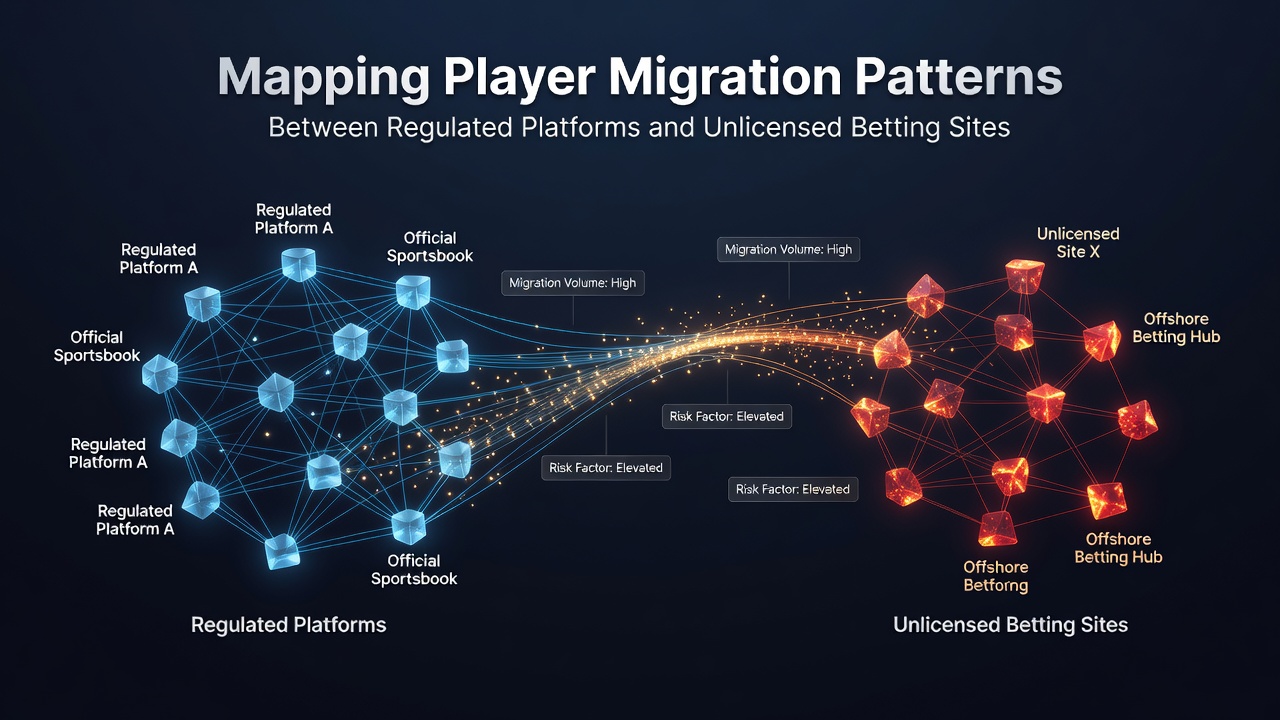
Player migration between regulated platforms and unlicensed betting sites follows distinct patterns shaped by regulatory changes, payment options, and game availability. Data from multiple jurisdictions reveal consistent flows where users shift toward unlicensed operators when licensed sites impose stricter limits on stakes or bonuses while the reverse occurs after enforcement actions tighten shadow market access.
Key Drivers Behind These Shifts
Restrictions on deposit bonuses and maximum stakes often prompt users to explore unlicensed alternatives that maintain higher limits and faster payouts. Research indicates users cite payment speed and wider game selections as primary factors when moving away from regulated environments. Observers note that cryptocurrency integration on unlicensed sites accelerates these moves since many licensed platforms still face delays in adopting digital currencies.
Conversely, high-profile shutdowns of unlicensed operations send players back toward licensed sites that offer stronger consumer protections and dispute resolution mechanisms. Figures from North American regulators show temporary spikes in licensed platform registrations immediately after such enforcement waves.
Regional Patterns Emerging in 2026
Reports released in July 2026 from Canadian provincial gaming authorities highlight increasing cross-border movement where players based in provinces with tight stake caps migrate to offshore sites offering unlimited play. Similar trends appear in Australian data where state-level reforms on in-play betting pushed users toward international operators until local apps introduced comparable features.
European markets display more balanced flows because many countries maintain robust licensing that includes crypto options. Those who've tracked transaction volumes across borders find that players often maintain accounts on both sides and switch based on specific promotions or event coverage rather than permanent relocation.
Data Sources and Tracking Methods
Payment processor reports and VPN usage statistics provide indirect measurements of migration volumes. A study from the University of Nevada Reno's gaming research center links spikes in unlicensed traffic to periods when licensed operators reduce marketing spend or restrict affiliate programs. Analysts combine these signals with survey responses from users who admit splitting activity between environments.
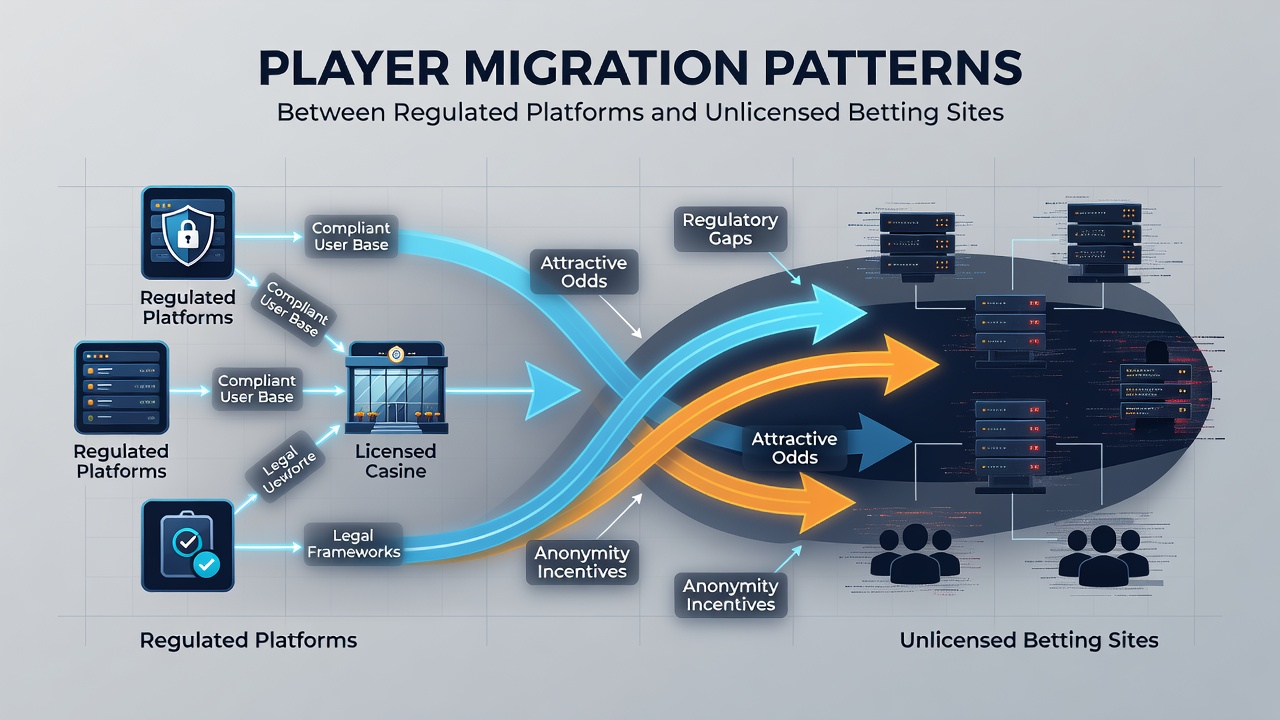
Transaction monitoring firms track wallet addresses moving between licensed and unlicensed domains while academic papers analyze behavioral datasets from self-reported gamblers. These methods reveal that younger demographics tend to favor unlicensed sites for longer sessions while older users return to regulated platforms when seeking withdrawal guarantees.
Platform Responses and Adaptations
Licensed operators have begun offering loyalty programs that reward consistent play with personalized bonuses unavailable on shadow sites. Unlicensed platforms counter by emphasizing anonymity and instant withdrawals though they lack formal recourse when disputes arise. Industry associations in the United States and Australia document these competitive adjustments through quarterly market reports.
Some regulated entities partner with payment providers to match crypto speeds while maintaining compliance frameworks. Evidence suggests these hybrid approaches reduce net migration losses during peak migration periods.
Conclusion
Mapping these patterns requires combining regulatory filings, academic datasets, and payment analytics from diverse regions. Patterns shift with policy updates yet remain measurable through consistent tracking methods that reveal how users balance risk, convenience, and reward across both environments.