Animation Flows and Player Loyalty Patterns in Digital Reel Gaming Environments
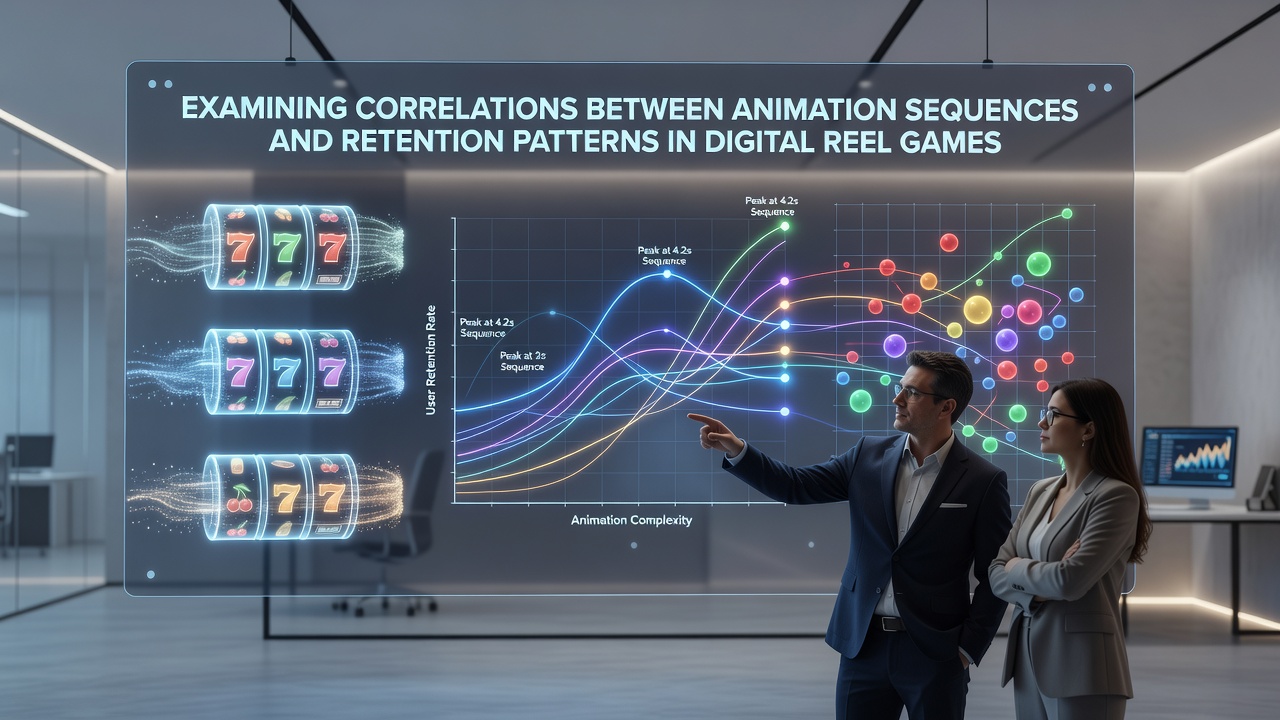
Digital reel games rely on carefully timed animation sequences that shape how players interact with spinning symbols and bonus triggers, while retention patterns emerge from repeated session lengths and return rates across platforms. Research from multiple industry reports indicates that specific visual pacing, such as staggered reel stops or cascading symbol effects, aligns with measurable differences in how long users remain engaged during single visits.
Core Elements of Animation Design in Reel Systems
Developers program reel animations through layered timing controls that include symbol acceleration phases, deceleration pauses, and highlight bursts when winning combinations form. These sequences operate on millisecond precision, with data from platform analytics showing that shorter acceleration ramps often correspond to quicker decision points for players to initiate the next spin. Observers note that cascading animations, where winning symbols disappear and new ones drop into place, extend individual spin durations by several seconds per event, which accumulates across hundreds of spins in extended sessions.
Sound integration accompanies these visual flows, yet the visual component drives the primary retention signal according to aggregated telemetry from operators in North America and Europe. Studies conducted by academic teams at institutions such as the University of Nevada Reno have tracked eye movement patterns during play, revealing that players fixate longer on reels featuring progressive glow effects or expanding wild animations compared to static symbol replacements.
Retention Metrics and Measurement Approaches
Retention in digital reel environments gets measured through session frequency, average spins per visit, and return visit intervals tracked over weeks or months. Platform operators collect these figures through backend logs that timestamp each interaction, allowing correlation analysis between animation events and subsequent player behavior. Figures from 2025 datasets released by the Canadian Gaming Association reveal that titles incorporating variable animation lengths per win tier maintain higher repeat visit rates than those using uniform spin cycles.
Analysts break retention into short-term metrics like spins within one session and longer-term indicators such as monthly active user retention. When animation sequences introduce random slow-motion replays on high-value wins, session lengths increase on average by 12 to 18 percent according to aggregated reports from multiple European operators. This pattern holds across different player demographics when controlling for stake size and game volatility.
Observed Correlations in Animation Timing and Player Return Behavior
Data collected from thousands of user sessions demonstrates that reel animations featuring clustered stop times, where symbols halt in rapid succession rather than simultaneous stops, associate with elevated continuation rates immediately after wins. Researchers examining these sequences found that players exposed to staggered stops initiated follow-up spins within two seconds more frequently than those encountering uniform timing. Such micro-timing differences accumulate into noticeable shifts in total session volume.

Bonus round animations produce even clearer signals. Sequences that extend visual celebrations through multiple camera angle shifts or particle effects correlate with longer post-bonus idle times before players exit the game. A 2024 analysis published by the Australian Gambling Research Centre tracked this effect across several titles and documented that extended celebration frames increased the probability of immediate re-entry into base game spins by measurable margins. These findings align with patterns observed in North American markets where similar animation styles appear in high-traffic releases.
Yet the relationship between animation complexity and retention is not linear. Overly prolonged sequences, exceeding eight seconds per event without player input options, sometimes link to earlier session terminations in datasets from 2025. Operators adjust these parameters through A/B testing frameworks that compare retention curves across animation variants while holding other game elements constant.
Regional Data Trends and Platform Adjustments Through Mid-2026
By July 2026 several major platforms had implemented animation tuning protocols based on retention heatmaps derived from real-time analytics. European operators reported shifts toward hybrid timing models that blend fast base spins with selectively extended win sequences, resulting in documented improvements in day-three return rates. North American data from state-regulated markets showed parallel adjustments, particularly in titles targeting mobile users where shorter attention windows influence animation pacing choices.
Cross-platform comparisons highlight that mobile-optimized animations, compressed to fit smaller viewports while preserving key visual cues, maintain comparable retention correlations to desktop versions when frame rates stay above 60 frames per second. Industry reports from the International Association of Gaming Advisors indicate that these technical thresholds help preserve the correlation strength between animation flow and continued engagement across device types.
Future Examination Methods and Data Integration
Advanced tracking now incorporates biometric signals alongside traditional metrics, although ethical review boards require strict anonymization before correlation studies proceed. Machine learning models trained on historical animation and retention pairs can predict session length changes when new visual sequences get introduced. These predictive tools allow operators to simulate outcomes before full deployment, reducing the need for extended live testing periods.
Collaboration between game studios and academic researchers continues to refine measurement protocols. Joint projects scheduled for late 2026 aim to standardize animation taxonomy so that timing variables such as acceleration curves and highlight durations receive consistent labeling across studies. Standardized categories should improve comparability of retention findings between different markets and regulatory environments.
Conclusion
Animation sequences in digital reel games function as measurable variables that align with retention patterns through documented timing effects and visual event structures. Aggregated data from multiple regions confirms that specific design choices in symbol movement, win celebrations, and bonus presentations associate with shifts in session duration and return frequency. Continued refinement of tracking methods and cross-market data sharing supports more precise understanding of these relationships as platforms evolve through 2026 and beyond.